
ProMed OSCE
A unique OSCE experience for medical students.
Most courses teach you what to know. ProMed OSCE teaches you how to perform.
You can revise the content, memorise the frameworks and practise the theory. But when the timer starts, an OSCE asks you to put that knowledge into practice.
ProMed OSCE is built around the gap between knowing and doing. Through realistic practice, focused teaching and individual feedback, you’ll develop the skills and confidence to perform when it matters.
Walk in feeling ready, not just revised.
What makes ProMed OSCE different
Real OSCE practice
Move beyond revision and practise applying your knowledge in realistic OSCE scenarios.
Built around performance
Develop the communication, structure and clinical approach you need when the timer starts.
Learn from OSCE specialists
Get guidance from experienced OSCE educators who understand the demands of the exam.
1-to-1 feedback
Receive individual feedback on your performance, with clear areas to strengthen before exam day.
It’s different when the timer starts
You can know the content and still struggle when you’re faced with a timed station. ProMed OSCE gives you the opportunity to practise, receive individual feedback and understand what to improve before exam day. Most revision is a monologue. You study, you test yourself, you guess how you did. OSCEs don’t work that way. They are marked by a human watching every hand position, every question you forget to ask, every moment you break eye contact to stare at the ceiling thinking. You won’t leave guessing how you did. You’ll leave with a plan.
Practise: Put your knowledge into practice in realistic OSCE scenarios
Perform: Develop your clinical approach and communication under pressure
Improve: Learn from individual feedback and focus on what to improve
Practise for the demands of your OSCE
Cardiology
Practise cardiovascular exams, chest pain histories, heart sounds and ECGs.
Respiratory
Practise respiratory exams, breathlessness histories and inhaler counselling.
Neurology
Build confidence in neurological exams and focused stroke histories.
Gastroenterology
Practise abdominal exams and focused abdominal pain histories.
Acute Medicine
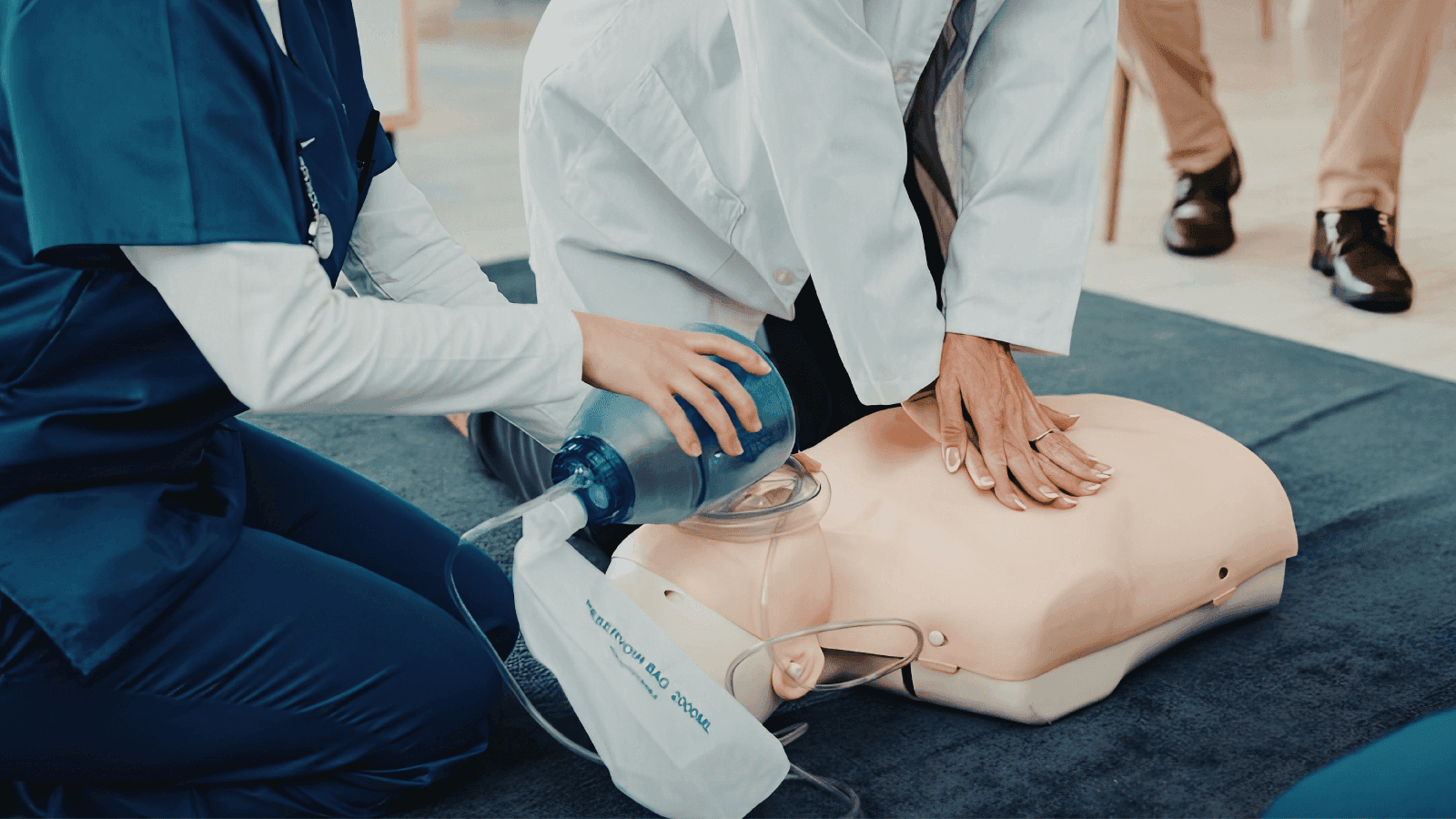
Use ABCDE, basic life support and SBAR under time pressure.
Surgery
Practise post-operative reviews and patient consent discussions.
Paediatrics
Assess unwell children and communicate clearly with parents.
Communication Skills
Practise breaking bad news and handling difficult conversations.
Clinical Skills
Develop core skills including observations, blood pressure and venepuncture.
Ethics & Professionalism
Work through confidentiality, capacity and consent scenarios.
Cardiology
Practise cardiovascular exams, chest pain histories, heart sounds and ECGs.
Respiratory
Practise respiratory exams, breathlessness histories and inhaler counselling.
Neurology
Build confidence in neurological exams and focused stroke histories.
Gastroenterology
Practise abdominal exams and focused abdominal pain histories.
Acute Medicine
Use ABCDE, basic life support and SBAR under time pressure.
Surgery
Practise post-operative reviews and patient consent discussions.
Paediatrics
Assess unwell children and communicate clearly with parents.
Communication Skills
Practise breaking bad news and handling difficult conversations.
Clinical Skills
Develop core skills including observations, blood pressure and venepuncture.
Ethics & Professionalism
Work through confidentiality, capacity and consent scenarios.
Explore the full programme
See how ProMed OSCE helps students prepare for clinical exams, from core station types and practical skills to communication, clinical reasoning and examiner-style practice.
Starts 21 Feb